How to Offer Snacks That Reflect Your Culture - have you ever wondered how your workplace snacks could tell a story? At Yami Fresh, we believe food is more than fuel; it’s a powerful way to share identity and heritage. With our customizable vending solutions across Chicagoland schools and offices, we help organizations celebrate diversity through everyday refreshment choices. So, how can you turn your break room into a cultural showcase?
The answer lies in curating snacks that represent your team’s roots and values. This article explores how to select culturally meaningful snacks, why it matters for inclusion, and how Yami Fresh makes it easy with tailored vending options. From Latin American treats to Asian-inspired bites, we’ll show you how to bring authenticity to your snack offerings.
But that’s just the beginning. As culinary anthropologist Dr. Krishnendu Ray says, “Food is a language of culture.” Ready to speak that language through your snack choices? Let’s dive into how you can make your break room a flavorful celebration of your culture.
Understanding the Importance of Cultural Representation Through Food
Food speaks a universal language that transcends borders. It tells stories, shares traditions, and connects generations. Through snacks, cultures can express their identity in bite-sized, flavorful ways. These small treats often carry deep-rooted meanings, passed down through family recipes and regional ingredients.
Snacks offer an easy gateway into cultural discovery. Whether it’s a spicy rice cracker or a sweet red bean pastry, each bite introduces a new world. They invite curiosity and spark conversations, making them perfect for cultural exchange. For many, these foods are the first step toward understanding a community’s values and history.
Moreover, food helps preserve heritage. It keeps ancestral practices alive and strengthens bonds within communities. Sharing traditional snacks at gatherings fosters unity and pride. It also ensures that younger generations stay connected to their roots.
At Yami Fresh, we believe in celebrating diversity through flavor. Our curated food selections reflect the richness of global cultures. By offering authentic snacks, we help bridge cultural gaps and build lasting connections.
Identifying the Cultural Roots of Your Snack Traditions
Start by tracing your family’s culinary roots. Ask elders about snacks they enjoyed growing up. Their stories often reveal forgotten gems. Record these conversations to preserve authenticity. Visit cultural festivals to observe traditional snack-making in action. These events offer rich insight into ingredients and preparation methods.
Explore local markets that specialize in ethnic foods. You’ll find spices, grains, and snacks that reflect your heritage. Traditional cookbooks are another valuable resource. Look for ones focused on your region or ethnic background. They often include recipes passed down through generations.
Don’t overlook community centers or cultural organizations. They may host cooking classes or share archived recipes. Combine your findings to recreate or modernize traditional snacks. This process helps keep your culture alive through food.
For more inspiration, explore our snack offerings that celebrate diverse flavors. You can also learn how we support cultural variety through our corporate wellness programs. These resources can guide your journey in honoring your roots through snacks.
Choosing the Right Snacks to Represent Your Culture
When selecting snacks that represent your culture, focus on authenticity, symbolism, and popularity. Choose items with deep historical roots or those tied to cultural celebrations. For example, samosas from India, tamales from Mexico, Japanese mochi, and Middle Eastern baklava all carry rich traditions. These snacks not only taste great but also tell a story.
Consider how each snack reflects your heritage. Is it served during festivals? Does it symbolize prosperity or unity? These elements add depth and meaning. However, it’s important to balance tradition with accessibility. Some ingredients may be hard to find or unfamiliar to others. In such cases, adapt recipes slightly without losing their essence.
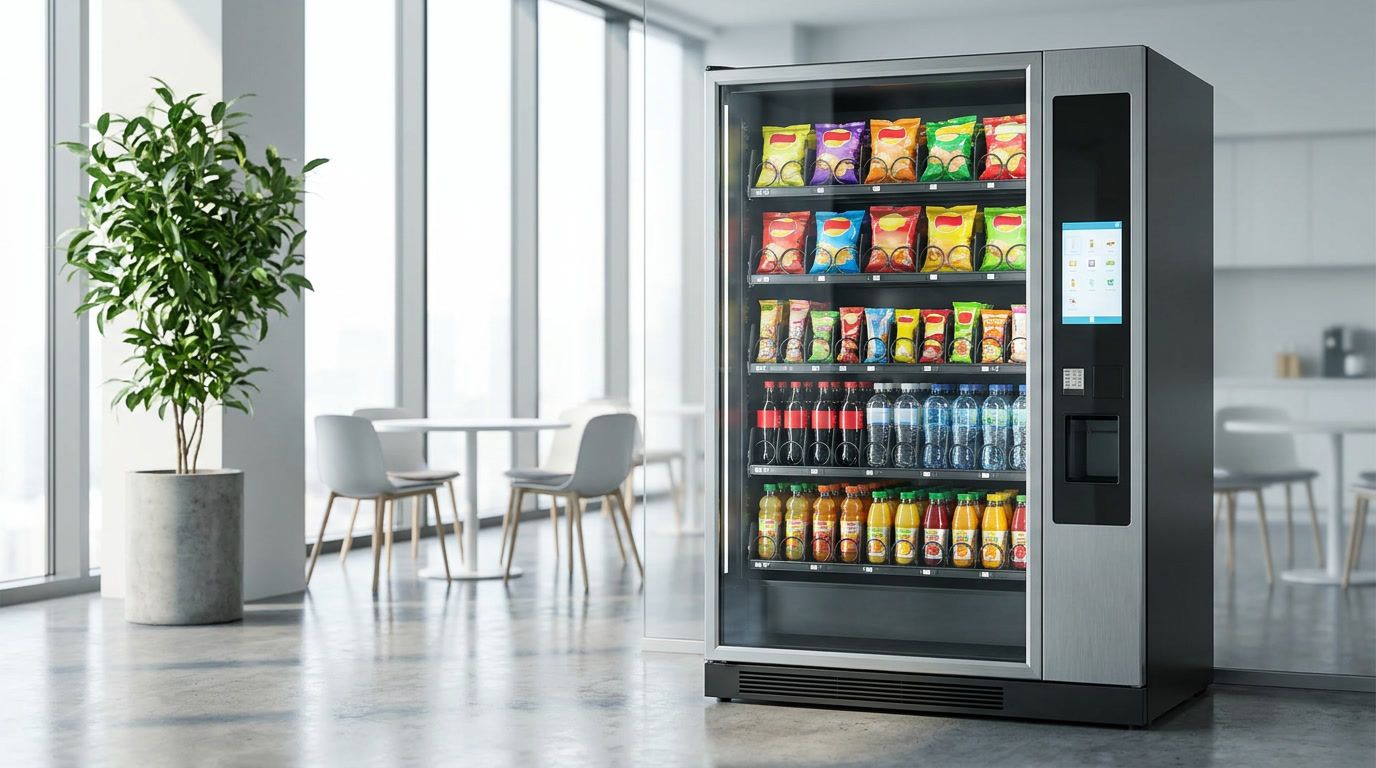
Offer options that are easy to serve and enjoy. Bite-sized portions or individually wrapped items work well in shared spaces. If you’re planning to include these in a workplace or event setting, explore solutions like vending snacks or micro-markets to make them more accessible. This approach ensures cultural integrity while appealing to a wider audience.
Sourcing Authentic Ingredients and Tools
Finding authentic ingredients starts with exploring local ethnic grocery stores. These shops often carry region-specific spices, grains, and snacks. If you can’t find what you need locally, browse trusted online retailers. Many offer hard-to-find items with fast delivery. For fresh produce or herbs, check nearby farms or farmers’ markets. They may grow culturally relevant crops or offer seasonal alternatives.
When authentic ingredients are unavailable, choose substitutions that preserve flavor and texture. For example, use Greek yogurt instead of labneh or tamari in place of soy sauce. Always research to ensure the swap respects the dish’s origin.
Equally important are the tools. A bamboo steamer, mortar and pestle, or tortilla press may be essential depending on the snack. These tools help maintain traditional preparation methods and enhance authenticity.
For more ideas on cultural snack options, visit our snacks page. If you’re curious about how we support diverse food offerings, explore our why us section.
Preparing Snacks with Cultural Accuracy and Respect
Honoring cultural roots begins with preparing snacks using authentic methods passed down through generations. Avoid shortcuts that compromise tradition. Use original ingredients whenever possible to preserve the snack’s true flavor and texture. For example, hand-grinding spices or slow-roasting nuts can make a noticeable difference. Presentation matters too - serve the snack as it’s traditionally enjoyed, whether on banana leaves or in clay bowls.
Stay mindful of cultural significance. Don’t alter recipes just to suit trends. Instead, share the story behind the snack. Explain its origins, occasions it’s served, and what it means to the community. This adds depth and shows respect.
Avoid cultural appropriation by giving credit where it’s due. If you’re not from the culture, collaborate with someone who is. This builds authenticity and trust. For more insights on respectful food practices, visit our blog or explore our curated snack collection.
Respectful preparation isn’t just about taste - it’s about honoring heritage. Let every bite tell a story worth sharing.
Sharing the Cultural Story Behind Each Snack
Every snack tells a story - share yours with heart and purpose. Begin by describing where the snack comes from. Was it passed down through generations or discovered during a family celebration? Highlight its cultural roots and why it holds meaning for you. Use vivid details to bring the story to life. Mention the aroma, texture, or the moment you first tasted it.
Include personal anecdotes that connect the snack to your heritage. Maybe your grandmother made it during holidays, or it was a staple at community gatherings. These memories create emotional depth and invite others to connect with your culture.
Weave in historical or regional context to enrich the narrative. Explain how the ingredients reflect local traditions or seasonal customs. This approach not only informs but also captivates.
Use storytelling to educate and inspire curiosity. Let your audience taste your culture through your words. For more inspiration, explore our snack collection or learn about our mission on the About Us page. Sharing your snack’s story transforms it from food into a cultural experience.
Hosting a Cultural Snack Experience
Start by selecting a diverse range of snacks that represent various cultures. Choose items that are easy to share and require minimal preparation. Next, pick a venue - your home, school, workplace, or a local community center. Arrange tables by region or country to create a themed layout. Use flags, traditional fabrics, and cultural artifacts as decorations to enhance authenticity.
Create small info cards for each snack, including its origin, ingredients, and cultural significance. Consider printing a world map to show where each snack comes from. This adds a visual and educational element. Encourage guests to bring a snack from their own heritage. This promotes inclusivity and sparks conversation.
Facilitate dialogue by preparing a few open-ended questions about food traditions and cultural memories. Offer a short introduction or presentation to set the tone. Play regional music in the background to create an immersive atmosphere.
For more inspiration on snack options, explore our snack collection. If you’re planning a larger event, consider our vending snack services for convenience and variety.
Adapting Traditional Snacks for Modern Tastes and Dietary Needs
Modernizing traditional snacks starts with thoughtful substitutions. Swap wheat flour for almond or rice flour to go gluten-free. Use plant-based alternatives like coconut milk or flax eggs for vegan versions. To reduce sugar, opt for natural sweeteners such as dates or stevia. These changes help meet dietary needs without sacrificing flavor.
Preserving cultural integrity is key. Retain core spices, preparation methods, and presentation styles. This ensures the snack still tells its cultural story. For example, vegan mochi made with coconut milk still honors its Japanese roots. Similarly, baked samosas with whole wheat wrappers offer a healthier twist while keeping their Indian essence.
Many brands now offer modern versions of heritage snacks. Think air-fried falafel or quinoa sushi rolls. These innovations blend tradition with health-conscious trends. For more inspiration, explore our snack collection or check out our blog for creative ideas.
Balancing authenticity with modern needs is possible. It just takes a bit of creativity and respect for the original recipe.
Promoting Your Cultural Snacks Online and in Your Community
To showcase your cultural snacks, start by sharing recipes and stories on platforms like Instagram, YouTube, and personal blogs. Use short videos or step-by-step photos to engage your audience. Highlight the origin and meaning behind each snack to create a deeper connection. When photographing, use natural lighting and clean backgrounds. Add cultural elements like traditional fabrics or utensils to enhance visual appeal. Keep compositions simple but vibrant to draw attention.
Consistency matters. Post regularly and interact with followers to build trust and interest. Collaborate with local schools, cultural centers, or small businesses for events or pop-ups. These partnerships can expand your reach and strengthen community ties. Consider offering samples through vending options or local markets.
Feature your snacks in newsletters or community boards. Use hashtags and geo-tags to increase visibility. For broader exposure, list your offerings on online ordering platforms. This makes it easier for people to try your creations. Stay authentic and passionate - your culture is your brand’s strength.
Frequently Asked Questions (FAQs)
Not sure about your cultural background? Start by talking to family members or researching your heritage online. Explore cookbooks, documentaries, or cultural food blogs. Visiting local cultural centers or museums can also offer insight. Food is a powerful way to reconnect with your roots.
When sharing snacks from other cultures, always give credit. Learn the history behind the dish and respect its origins. Avoid stereotypes and misrepresentations. Sharing with intention and knowledge shows appreciation, not appropriation.
Yes, you can blend cultures in one snack. Fusion cuisine celebrates diversity when done with care. Understand the flavors and traditions before combining them. Balance is key - honor each culture equally.
If traditional ingredients are costly or rare, use accessible substitutes. Visit international markets or shop online. Many ingredients are available through specialty vendors or online ordering platforms.
To involve kids or students, turn snack-making into a fun learning activity. Let them help with simple tasks like mixing or decorating. Share stories about the dish’s origin. Use visuals, maps, or music to make it engaging. For more ideas, explore our blog for cultural snack inspiration.
Ready to Upgrade Your Break Room?
Yami Fresh helps Chicagoland businesses build snack, micro market, office coffee, and vending programs their teams actually love. Tell us what you need and we'll design a program that fits.
Talk to Our Team