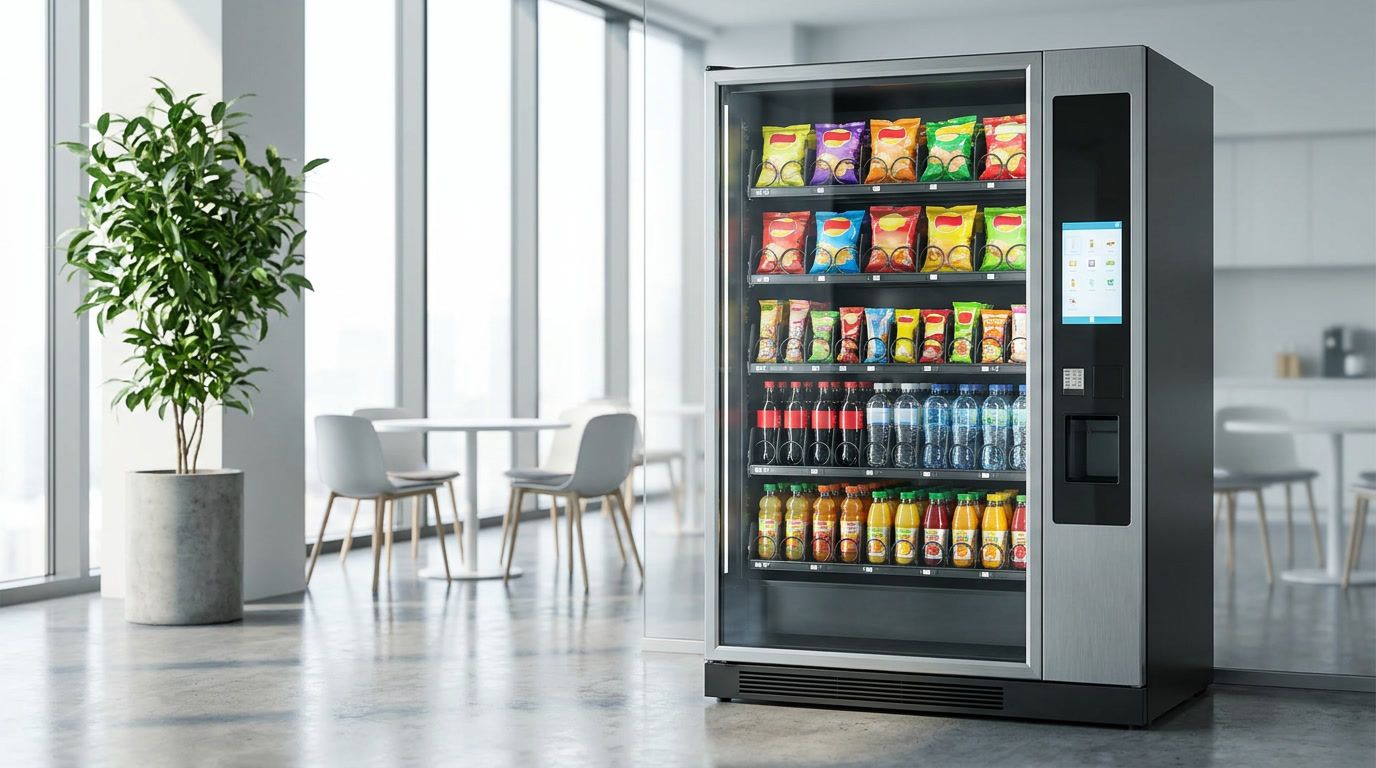
How do you design a break room that energizes both in-office and remote employees? As hybrid work becomes the new norm, companies must rethink how shared spaces like break rooms function. At Yami Fresh, we specialize in creating dynamic break room solutions for Chicagoland businesses, offering everything from smart vending machines to micro-markets. A well-designed break room can bridge the gap between remote and on-site teams - are you ready to build one that works for everyone?
Start with flexibility, comfort, and inclusivity. A hybrid-friendly break room should feature tech-enabled amenities, healthy snack options, and spaces that support both collaboration and relaxation. In this article, we’ll explore how to blend design, wellness, and convenience to create a break room that supports your hybrid team. From layout tips to refreshment solutions, we’ve got you covered.
But that’s just the beginning. Industry leaders like Steelcase emphasize the importance of human-centered design in hybrid workplaces. So, let’s dive into the strategies that will transform your break room into a hub of connection and productivity - whether your team is on-site or dialing in from home.
Understanding the Needs of Hybrid Teams
Hybrid teams blend remote and in-office employees, creating flexible yet complex work dynamics. Unlike fully remote or on-site teams, hybrid workers navigate shifting schedules and varied communication channels. This fluidity often leads to disconnects in collaboration and team cohesion.
Break rooms play a vital role in bridging these gaps. They offer a shared space where employees can recharge, connect, and foster a sense of belonging. When designed intentionally, these areas boost morale, spark creativity, and enhance overall productivity.
However, hybrid teams face unique challenges. Uneven access to in-person interactions can lead to feelings of exclusion and reduced engagement. A well-designed break room can counteract this by encouraging spontaneous conversations and inclusive experiences.
According to a Gallup study, engaged employees show 21% higher profitability. Moreover, research from Steelcase reveals that thoughtfully designed communal spaces improve collaboration by 17%. These findings underscore the importance of investing in environments that support hybrid work.
To support team wellness, consider integrating a micro-market or office coffee station. These amenities not only promote convenience but also foster daily interactions that strengthen team bonds.
Defining the Purpose of the Break Room
A break room should serve as more than just a place to eat lunch. It must support relaxation, spark informal collaboration, and encourage social interaction. For hybrid teams, it also needs to bridge the gap between in-person and remote employees. A thoughtful design can promote mental recharge while reinforcing company culture.
Many companies use break rooms to build community. For example, some install digital message boards to share updates with remote staff. Others integrate video conferencing zones for casual chats between on-site and off-site team members. These features help everyone feel included.
To define the purpose clearly, gather input from your team. Use surveys, suggestion boxes, or informal interviews. Ask what helps them unwind or connect with others. Their feedback will guide your design choices.
Consider adding amenities like a Bevi cooler or a snack vending machine to enhance comfort and convenience. These small touches can make a big difference. When employees feel heard and supported, they’re more likely to engage and thrive.
Choosing the Right Location and Layout
Selecting the ideal space starts with accessibility. Choose a location close to common areas but away from high-traffic work zones. This ensures minimal distractions and encourages regular use. Prioritize quiet corners or unused meeting rooms that can be repurposed. Avoid placing break rooms near noisy equipment or busy entrances.
When planning the layout, consider the flow of movement. Open layouts work well for small teams, promoting interaction. For larger groups, segmented zones support varied activities like dining, relaxing, or socializing. Use furniture or partitions to define these zones without closing off the space entirely.
In small offices, a compact lounge with a coffee station and snack shelf is sufficient. Medium spaces benefit from a central table, soft seating, and a snack vending area. Large offices can include multiple zones, such as a quiet reading nook, a game area, and a beverage cooler station.
Flexibility is key. Use modular furniture and movable dividers to adapt the space for team meetings or solo breaks. Keep the design simple, functional, and inviting to support both collaboration and relaxation.
Incorporating Technology for Hybrid Inclusion
Bridging the gap between in-office and remote employees starts with smart tech integration. Equip your break room with video conferencing stations to allow remote team members to join casual chats. Digital whiteboards can spark spontaneous collaboration, even during downtime. Virtual break room platforms like Slack channels or Zoom lounges help recreate watercooler moments online.
Create a “virtual coffee corner” where remote workers can drop in during set hours. Schedule hybrid social events weekly to maintain engagement. Rotate hosts to encourage participation from all locations. Use shared calendars to keep everyone informed and involved.
To foster inclusion, always invite remote employees to informal gatherings. Encourage team leads to check in regularly and promote open communication. Acknowledge remote contributions during casual conversations to reinforce their presence.
Consider pairing these efforts with a well-stocked micro market or a premium single-cup coffee setup to enhance the in-office experience. This balance ensures no one feels left out, regardless of location.
Designing for Comfort and Wellness
Comfort begins with thoughtful design. Choose ergonomic chairs and adjustable desks to support posture and reduce fatigue. Soft, indirect lighting minimizes eye strain and creates a calming atmosphere. Sound-absorbing panels or white noise machines help reduce distractions and improve focus.
Incorporate wellness elements that soothe the senses. Add indoor plants to purify the air and bring nature indoors. Maximize natural light to boost mood and energy levels. Use calming color palettes like soft blues, greens, and neutrals to create a peaceful vibe. Aromatherapy diffusers with lavender or eucalyptus can further enhance relaxation.
Offer amenities that encourage mental breaks. Massage chairs and nap pods provide quick stress relief. Quiet zones with cozy seating allow employees to recharge in solitude. For neurodiverse team members, include sensory-friendly spaces with dimmable lights, noise control, and tactile-friendly materials.
These thoughtful touches support both comfort and productivity. Explore more wellness-focused solutions on our corporate wellness page. For snack and beverage options that complement your break room design, visit our snacks section.
Creating Zones for Different Activities
Designing a versatile break room starts with defining clear zones. Dedicate one area for socializing with cozy seating and warm lighting. Use soft textures and inviting colors to encourage casual conversation. For quiet reflection, opt for minimal decor, noise-reducing panels, and natural light. Include comfortable chairs and small tables for reading or unwinding.
Create a dining space with easy-to-clean surfaces and ample seating. Add a food vending option nearby for convenience. A game zone should feature fun elements like a foosball table or board games, balanced with sleek storage to maintain order. Use vibrant colors and dynamic lighting to energize the space.
For creative brainstorming, install whiteboards, modular seating, and flexible lighting. Keep the decor inspiring but not distracting. Choose multi-use furniture like foldable tables or stackable chairs to adapt quickly. Modular setups allow the room to shift based on team needs.
Balance fun and professionalism by blending playful accents with clean lines and neutral tones. Add a coffee station to support both focus and relaxation. This thoughtful layout enhances productivity while promoting well-being.
Stocking the Break Room with Essentials
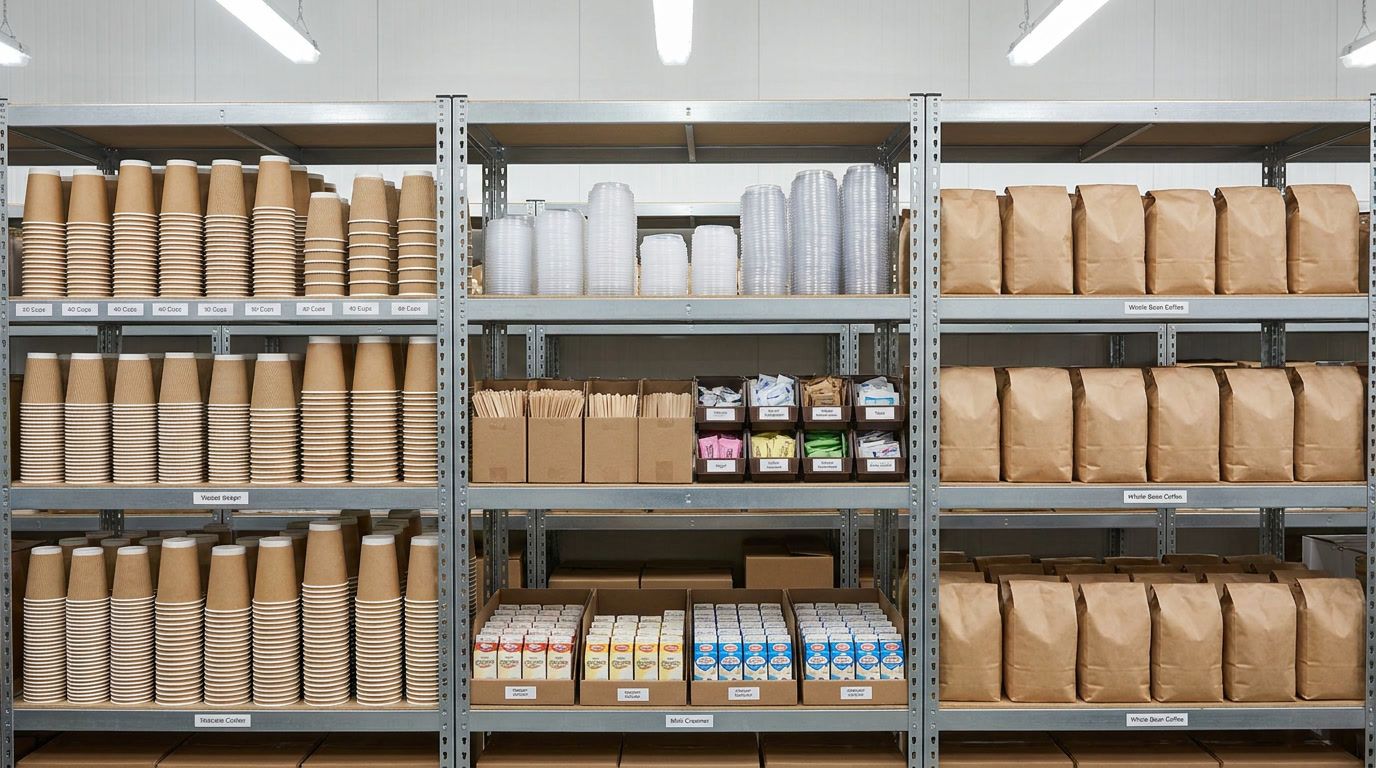
A well-stocked break room boosts morale and keeps hybrid teams energized. Start with essentials like a quality coffee machine, assorted teas, and filtered water. Include a variety of snacks - granola bars, trail mix, and fruit cups are great healthy options. Don’t forget dietary-inclusive choices such as gluten-free chips, vegan cookies, and nut-free protein bars.
Offer a mix of beverages - sparkling water, cold brew, and herbal teas. Provide utensils, napkins, paper towels, and eco-friendly plates. Keep cleaning supplies visible and accessible. Stock disinfectant wipes, hand sanitizer, and trash bags to encourage cleanliness.
Entertainment matters too. Add a bookshelf with magazines, puzzles, or board games. Consider a small TV or streaming device for short breaks. Background music can also create a relaxing atmosphere.
Maintain a weekly checklist. Restock snacks, refill coffee supplies, and sanitize surfaces. Empty trash bins daily and check expiration dates regularly. Assign a team member to oversee inventory and cleanliness. For more ideas on creating a productive space, visit our blog or explore our micro-markets solutions.
Encouraging Use and Building Culture
Creating a vibrant break room starts with intentional engagement. Encourage regular use by offering flexible seating, healthy snacks, and inviting lighting. Schedule hybrid-friendly events like trivia afternoons, lunch-and-learns, or themed coffee breaks. These activities foster connection and give remote employees a reason to visit the office.
Rotate decor monthly to keep the space visually stimulating. Seasonal themes, local art, or employee photo walls can spark interest and conversation. A fresh environment encourages repeat visits and builds a sense of belonging.
Leadership plays a crucial role. When managers take breaks and join events, it signals that balance is valued. Their participation sets the tone and motivates others to follow suit.
Incorporate wellness-focused options from your corporate wellness program to support healthy habits. Stock the space with items from your snack vending solutions to keep it convenient and appealing.
Consistency, creativity, and leadership involvement are key to transforming a break room into a cultural hub.
Measuring Success and Gathering Feedback
To evaluate your break room’s impact, start by tracking usage patterns and employee satisfaction. Use short, anonymous surveys to gather honest feedback. Observe how often the space is used and which features attract the most attention. Digital tools like occupancy sensors or scheduling apps can offer real-time insights.
Ask targeted questions such as: “What do you enjoy most about the break room?” or “What would you change to improve your experience?” Include prompts like “How often do you use the space?” and “Does the break room help you recharge during the day?”
Review responses regularly and look for trends. If employees request healthier snack options, consider updating your vending food selections. If comfort is a concern, adjust seating or lighting.
Involve your team in the process. Host brief feedback sessions or suggestion drives. Encourage employees to vote on new features or coffee products. This builds ownership and ensures the space evolves with their needs.
Continuous improvement keeps the break room relevant and valued.
Frequently Asked Questions (FAQs)
The ideal break room size depends on team size, but 150-300 square feet works well for hybrid offices. To include remote employees, consider virtual coffee breaks or shared digital boards for casual chats. Budget-friendly ideas include repurposing furniture, using natural light, and adding plants for a fresh vibe. Refresh the space every 6-12 months to maintain engagement and comfort. Yes, a well-designed break room boosts morale and productivity by offering a mental reset.
Stock a variety of snacks to suit all preferences - think gluten-free, vegan, and international options. Explore our snack solutions for diverse teams. Keep the space clean by setting clear expectations and rotating cleaning duties. Yes, having simple guidelines helps maintain respect and order. Balance fun and professionalism with flexible zones - one for games, another for quiet relaxation.
Get creative with team-building by hosting themed lunches or wellness challenges. Use the break room for casual brainstorming or celebrating wins. For more ideas, check out our corporate wellness solutions.
Ready to Upgrade Your Break Room?
Yami Fresh helps Chicagoland businesses build snack, micro market, office coffee, and vending programs their teams actually love. Tell us what you need and we'll design a program that fits.
Talk to Our Team