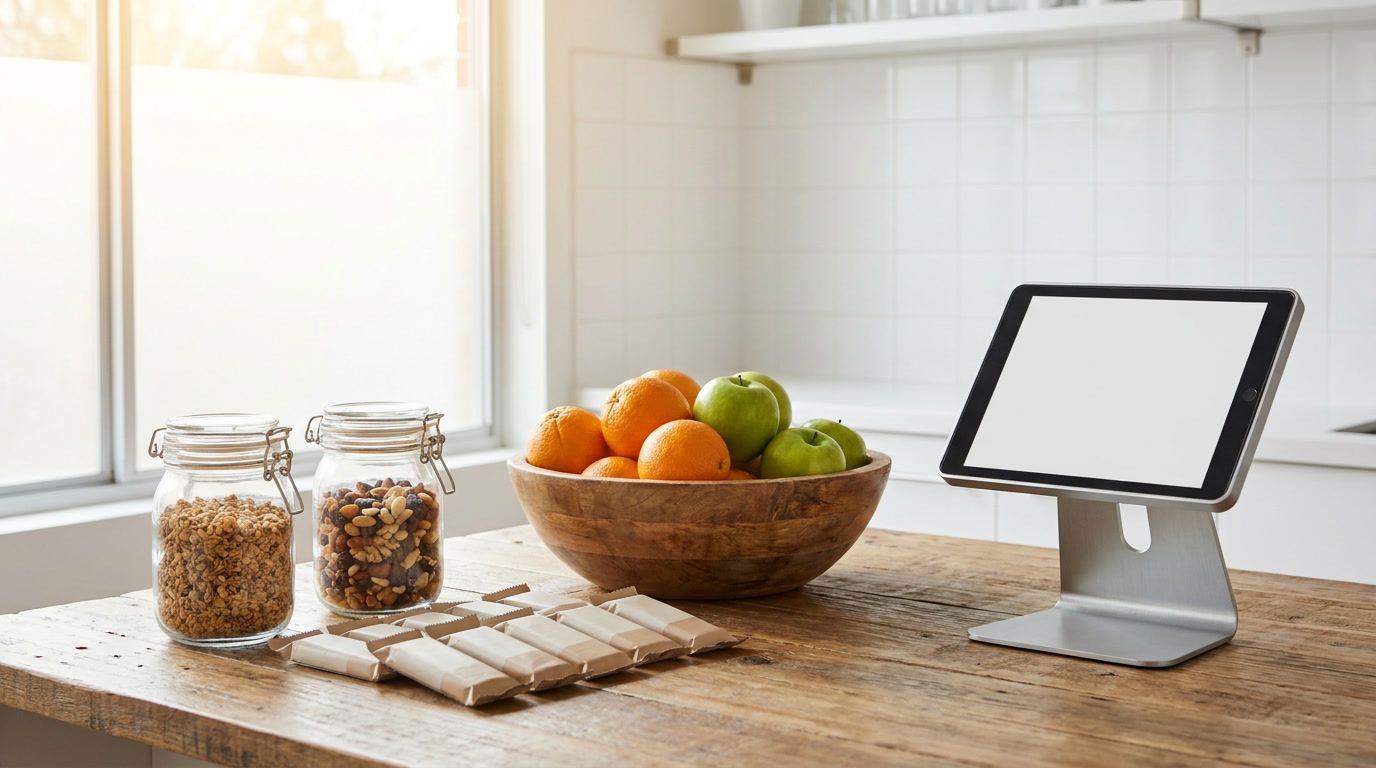
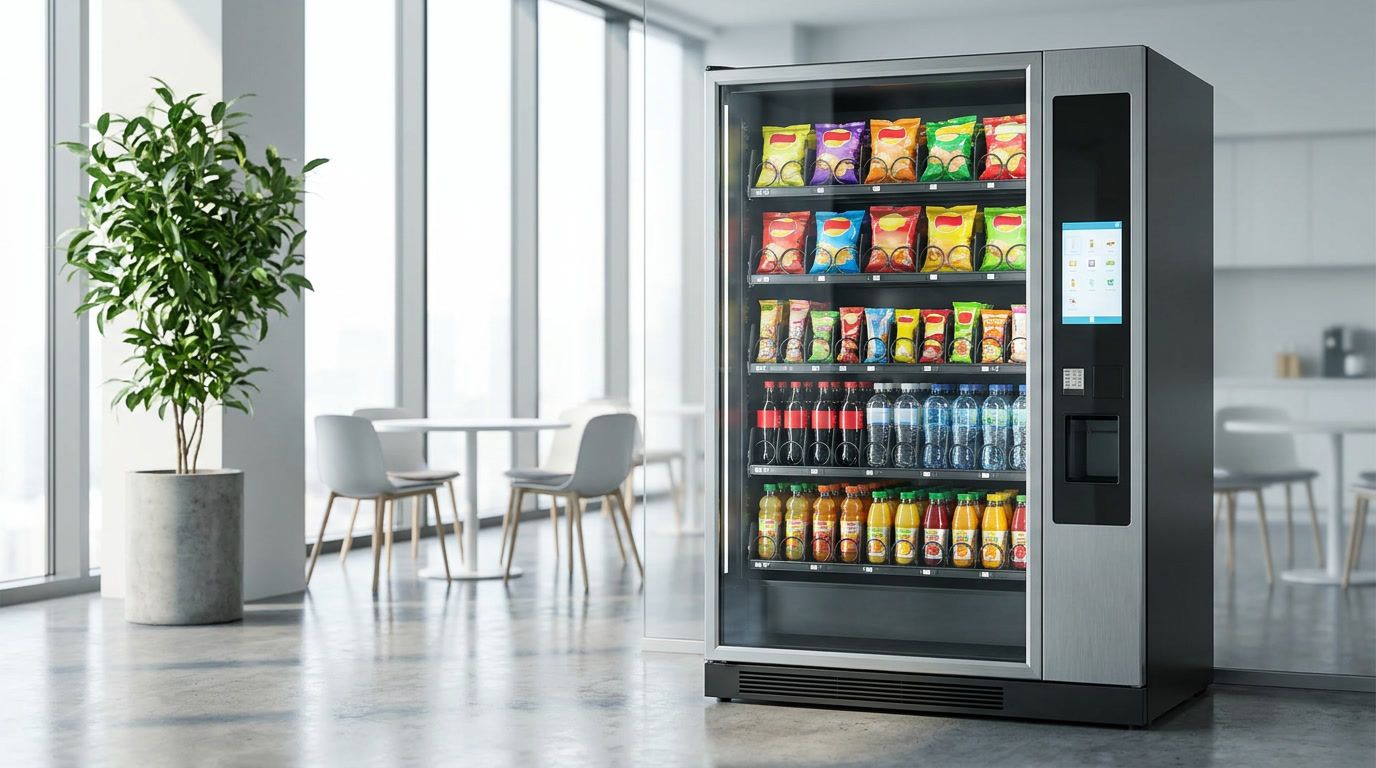
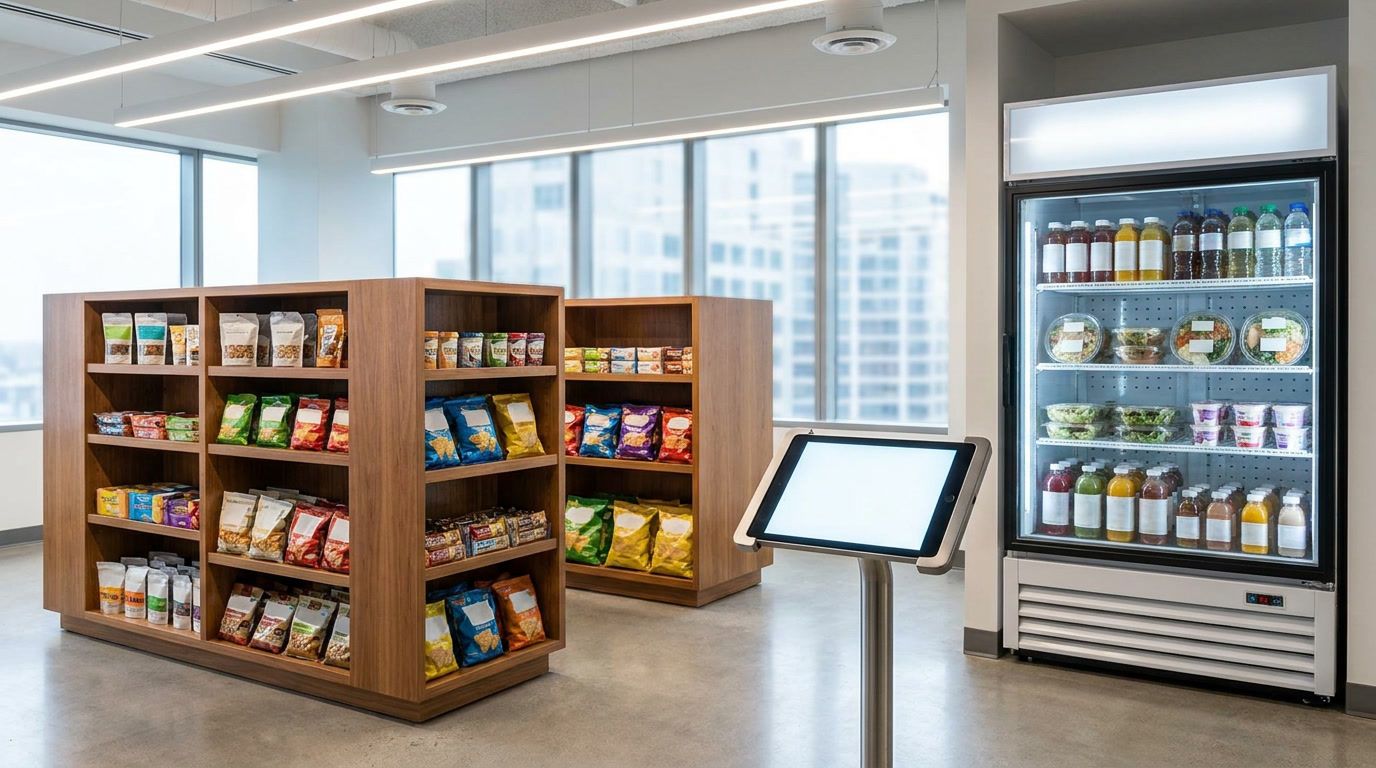
Creating a centered office pantry is an excellent way to boost workplace morale, enhance productivity, and promote a healthier lifestyle among employees. At the heart of any thriving office environment is easy access to quality refreshments - and that’s where our vending solutions come in. We proudly serve Chicagoland schools with a wide selection of snack, beverage, and fresh food vending options, tailored to meet both traditional and health-conscious preferences. Whether you’re looking to create a central hub for quick coffee breaks or a fully stocked refreshment station, our adaptable vending services ensure that students, teachers, and staff stay energized throughout the day. With consistently replenished on-site vending machines, your school can enjoy the convenience of a centered office pantry without ever leaving campus.
Introduction to a Centered Office Pantry
A centered office pantry is more than just a break room with snacks and coffee - it is a thoughtfully designed space that serves as the heart of a productive and healthy workplace. In today’s fast-paced corporate environment, companies are increasingly recognizing the value of creating a centralized pantry that not only meets the nutritional needs of employees but also fosters collaboration, boosts morale, and enhances overall workplace culture. This strategic shift reflects a broader trend in workplace wellness and employee satisfaction, where convenience, health, and community converge.
The concept of a centered office pantry revolves around accessibility, variety, and quality. Unlike traditional break rooms that are often tucked away and underutilized, a centered pantry is intentionally placed in a high-traffic area of the office to encourage frequent use and social interaction. It is stocked with a curated selection of snacks, beverages, and meals that cater to diverse dietary preferences and health goals. According to a report by the Society for Human Resource Management (SHRM), 60% of employees consider food perks an important part of their job satisfaction. This statistic underscores the growing importance of well-stocked and well-managed office pantries in modern workplaces.
One of the key benefits of a centered office pantry is its ability to support employee wellness. By offering nutritious options such as fresh fruits, whole grains, and low-sugar beverages, companies can help employees maintain energy levels and focus throughout the day. This aligns with the broader goals of corporate wellness programs, which aim to reduce absenteeism, increase productivity, and lower healthcare costs. A study by the Harvard Business Review found that companies with strong wellness programs saw a 25% reduction in sick leave and a 32% reduction in healthcare costs. Integrating a centered pantry into the workplace is a practical and effective way to contribute to these outcomes.
Moreover, a centered pantry can serve as a hub for social interaction and team building. When employees gather in a shared space to grab a snack or enjoy a coffee break, it creates opportunities for spontaneous conversations and cross-departmental collaboration. This informal interaction can lead to stronger workplace relationships and a more cohesive company culture. In fact, research from Gallup shows that employees who have strong social connections at work are seven times more likely to be engaged in their jobs. By designing a pantry that encourages mingling and relaxation, companies can foster a more connected and motivated workforce.
The design and functionality of a centered office pantry are also crucial. It should be aesthetically pleasing, easy to navigate, and equipped with modern amenities such as coffee machines, refrigeration units, and vending solutions. For example, incorporating advanced vending technologies like those found in vending and vending/snacks services can ensure that employees have 24/7 access to a wide range of food and drink options. These machines can be stocked with healthy snacks, gourmet meals, and specialty beverages, offering convenience without compromising on quality.
In addition to physical amenities, the success of a centered pantry also depends on thoughtful curation and regular replenishment. Partnering with a reliable office pantry service provider ensures that the pantry remains well-stocked with fresh and appealing items. Companies like Yami Fresh specialize in providing customized pantry solutions that align with the unique needs of each workplace. Their offerings include everything from traditional coffee setups to innovative options like Bevi Cooler systems and single-cup coffee machines, catering to a wide range of preferences and consumption habits.
Another important aspect of a centered office pantry is its role in promoting sustainability and corporate responsibility. By choosing eco-friendly packaging, reducing food waste, and sourcing locally whenever possible, companies can align their pantry initiatives with broader environmental goals. This not only appeals to environmentally conscious employees but also enhances the company’s brand image and reputation. According to Nielsen, 73% of global consumers say they would definitely or probably change their consumption habits to reduce their environmental impact. A sustainable pantry program can be a powerful way to demonstrate a company’s commitment to these values.
To illustrate the impact and versatility of centered office pantries, consider the following examples:
- A tech startup in San Francisco implemented a centered pantry stocked with organic snacks, cold brew coffee, and plant-based meals. Within six months, employee satisfaction scores increased by 20%, and the company reported a noticeable improvement in team collaboration.
- A financial services firm in New York introduced a micro-market concept in their central pantry area, offering a self-service kiosk with fresh salads, sandwiches, and beverages. This not only reduced lunchtime congestion but also encouraged healthier eating habits among employees.
- A marketing agency in Chicago partnered with a local vendor to supply their pantry with seasonal fruits and artisanal snacks. The initiative was part of a larger corporate wellness program and contributed to a 15% decrease in employee sick days over the course of a year.
These case studies highlight the tangible benefits of investing in a well-designed and well-managed pantry space. Whether through improved health outcomes, enhanced employee engagement, or increased productivity, the return on investment for a centered office pantry is clear.
It is also worth noting that the integration of technology plays a significant role in the modern office pantry. Smart inventory systems, mobile ordering apps, and contactless payment options streamline the user experience and ensure that the pantry operates efficiently. For instance, companies can utilize platforms like Yami Fresh’s online ordering system to manage stock levels, track consumption patterns, and customize offerings based on employee preferences.
As businesses continue to adapt to hybrid work models and evolving employee expectations, the centered office pantry remains a vital component of workplace strategy. It reflects a company’s commitment to employee well-being, convenience, and community. By prioritizing quality, accessibility, and innovation, organizations can transform their pantry spaces into dynamic hubs that support both individual performance and collective success.
“A well-stocked and centrally located office pantry is not just a perk - it’s a strategic investment in your company’s most valuable asset: your people.”
For companies looking to implement or upgrade their office pantry, it is essential to work with experienced providers who understand the nuances of workplace needs. Yami Fresh offers a comprehensive range of services tailored to different office environments, from traditional setups to modern micro-markets. To learn more about their approach and explore their offerings, visit their about-us page or reach out via their contact form.
In conclusion, a centered office pantry is a multifaceted solution that addresses the nutritional, social, and operational needs of today’s workforce. It is a space where employees can recharge, connect, and thrive - ultimately contributing to a more vibrant and successful workplace.
Benefits of a Well-Designed Office Pantry
A well-designed office pantry plays a crucial role in enhancing workplace productivity, employee satisfaction, and overall organizational culture. It is more than just a place to grab a quick snack or sip coffee; it serves as a central hub where employees can recharge, connect, and feel valued. When thoughtfully planned and equipped, an office pantry becomes a strategic asset that contributes significantly to the success of a business. One of the most immediate benefits of a well-structured pantry is the positive impact on employee morale. Having access to a clean, inviting space with a variety of food and beverage options shows that the company cares about the well-being of its staff. This sense of appreciation can lead to increased job satisfaction and loyalty, reducing turnover rates and fostering a more committed workforce.
Moreover, a centralized office pantry encourages collaboration and communication among employees. When team members from different departments gather in a shared space, it naturally fosters informal interactions and idea exchanges. These spontaneous conversations can lead to innovative solutions and stronger interdepartmental relationships. In this way, the pantry becomes a catalyst for creativity and teamwork, which are essential components of a thriving workplace. Additionally, the convenience of having a well-stocked pantry on-site saves employees time and effort. Instead of leaving the office to find food or beverages, they can quickly access what they need without disrupting their workflow. This not only boosts productivity but also helps maintain focus and energy levels throughout the day.
Health and wellness are also key considerations in a modern office pantry. By offering nutritious snacks, fresh food options, and a variety of beverages, companies can support the physical well-being of their employees. This aligns with broader corporate wellness initiatives and demonstrates a commitment to promoting healthy lifestyles. For example, incorporating items from a healthy vending selection or providing access to filtered water and low-sugar drinks can make a significant difference in daily dietary habits. A pantry that prioritizes wellness can also reduce absenteeism and healthcare costs over time, making it a smart investment for any organization.
Another important advantage of a well-designed pantry is its role in reinforcing company culture. The design, layout, and offerings in the pantry can reflect the values and personality of the organization. Whether it’s a sleek, modern space with artisanal coffee or a cozy, home-like area with comfort snacks, the pantry can be tailored to align with the company’s brand and ethos. This attention to detail helps create a cohesive work environment where employees feel a sense of belonging. It also makes a strong impression on visitors and potential hires, showcasing the company as a forward-thinking and employee-centric workplace.
From a logistical standpoint, a centralized pantry can streamline operations and reduce costs. By consolidating food and beverage services in one location, companies can manage inventory more efficiently and negotiate better deals with suppliers. It also simplifies maintenance and cleaning, ensuring that the space remains hygienic and well-organized. For businesses that partner with professional pantry service providers, the benefits are even greater. These providers can offer customized solutions, regular restocking, and access to a wide range of products, including those found in snack and beverage vending options. This level of service ensures that the pantry remains a reliable and appealing resource for employees.
Incorporating technology into the pantry experience is another way to enhance its effectiveness. Features such as cashless payment systems, smart inventory tracking, and digital menu boards can make the pantry more user-friendly and efficient. These innovations not only improve the user experience but also provide valuable data on consumption patterns and preferences. This information can be used to tailor offerings and ensure that the pantry continues to meet the evolving needs of the workforce. For example, integrating a cashless pantry system can streamline transactions and reduce wait times, making the pantry more accessible and convenient for everyone.
Sustainability is also an increasingly important consideration in office pantry design. Companies are recognizing the need to reduce waste and minimize their environmental footprint. This can be achieved by using eco-friendly packaging, offering reusable dishware, and sourcing locally produced items. A sustainable pantry not only supports the planet but also resonates with employees who value environmental responsibility. It sends a clear message that the company is committed to making a positive impact, both within the workplace and beyond.
Finally, a well-designed office pantry can serve as a powerful tool for employee engagement and retention. Hosting events such as coffee tastings, healthy eating workshops, or themed snack days can add an element of fun and excitement to the workday. These activities encourage participation and create opportunities for employees to bond over shared experiences. They also provide a platform for recognizing achievements and celebrating milestones, further strengthening the sense of community within the organization.
In conclusion, the benefits of a well-designed office pantry extend far beyond convenience and refreshment. It is a multifaceted space that supports employee well-being, fosters collaboration, enhances productivity, and reinforces company culture. By investing in a thoughtfully planned pantry, businesses can create a more dynamic, inclusive, and supportive work environment. Whether through healthy food options, innovative technology, or sustainable practices, a centralized office pantry is a valuable asset that contributes to the overall success and vitality of the workplace. For more insights into how a modern pantry can transform your office, explore our blog or learn more about us.
Key Elements of a Functional Pantry Space
Creating a functional pantry space within a centered office pantry involves a thoughtful blend of design, organization, and accessibility to ensure it meets the diverse needs of employees while enhancing workplace productivity and satisfaction. At the heart of an effective office pantry is its ability to serve as a central hub for refreshment, relaxation, and informal collaboration. To achieve this, several key elements must be considered, starting with layout and space utilization. A well-planned layout ensures smooth traffic flow and easy access to pantry essentials, minimizing congestion during peak hours. Open shelving, modular storage units, and clearly labeled zones for snacks, beverages, and meals help maintain order and efficiency. Incorporating ergonomic furniture and strategically placed appliances like microwaves, refrigerators, and coffee machines further supports convenience and comfort.
Another critical component is the variety and quality of food and beverage options available. A functional pantry should cater to diverse dietary preferences and nutritional needs, offering a balanced mix of healthy snacks, fresh fruits, protein-rich items, and indulgent treats. Providing a rotating selection of items keeps the pantry experience fresh and engaging. Integrating services like snack vending or office coffee solutions can streamline restocking and ensure consistent availability of popular items. Additionally, sustainability should be a guiding principle, with eco-friendly packaging, waste reduction practices, and energy-efficient appliances contributing to a greener workplace.
Technology also plays a pivotal role in modern pantry functionality. Smart inventory systems, touchless dispensers, and digital ordering platforms can enhance user experience and operational efficiency. For instance, implementing a cashless pantry system allows employees to make quick, contactless purchases, reducing wait times and improving overall satisfaction. Moreover, integrating wellness-focused features such as hydration stations, cold brew taps, and nutritional information displays supports employee health and aligns with corporate wellness initiatives. A well-stocked and thoughtfully designed pantry not only boosts morale but also reinforces a company’s commitment to employee well-being. For organizations looking to elevate their pantry offerings, exploring tailored solutions through providers like Yami Fresh can be a strategic move. Learn more about our approach and values by visiting our about us page.
Choosing the Right Location in the Office
When designing a centered office pantry, one of the most critical decisions is selecting the ideal location within the office space. The placement of the pantry can significantly influence employee engagement, convenience, and overall workplace efficiency. A well-located pantry serves as a central hub where employees can relax, recharge, and interact, fostering a sense of community and collaboration. To achieve this, the pantry should be easily accessible from all departments, ensuring that no team feels isolated or inconvenienced when taking a break. Ideally, it should be situated equidistant from major work zones, such as open-plan desks, meeting rooms, and executive offices, to encourage regular use without disrupting workflow.
Another key consideration is foot traffic. The pantry should be placed in an area that naturally attracts movement but does not interfere with focused workspaces. High-traffic zones like hallways or near elevators can be suitable, as long as noise and congestion are managed effectively. Additionally, proximity to utilities such as water lines, electrical outlets, and ventilation systems is essential for the seamless operation of appliances like coffee machines, refrigerators, and microwaves. This not only reduces installation costs but also ensures long-term functionality and maintenance ease.
Lighting and ambiance also play a vital role in choosing the right location. A pantry with access to natural light can enhance mood and energy levels, contributing to a more inviting and comfortable environment. If natural light is limited, the space should be well-lit with warm, ambient lighting to create a cozy atmosphere. Moreover, the design should incorporate ergonomic furniture and thoughtful layout planning to accommodate various needs, from quick coffee breaks to informal meetings or solo downtime.
The location should also align with the company’s culture and goals. For example, organizations that prioritize health and wellness may want to position the pantry near a corporate wellness area or fitness room to promote healthy snacking and hydration habits. In contrast, tech-driven companies might integrate smart vending solutions or vending machines into the pantry space to reflect their innovative ethos. Additionally, businesses that emphasize sustainability should consider placing the pantry near recycling stations or incorporating eco-friendly materials in its construction.
Security and cleanliness are other important factors. The pantry should be located in a secure area that is easy to monitor and maintain. It should not be too close to restrooms or storage areas that may compromise hygiene or aesthetics. Regular cleaning and restocking should be facilitated by its location, ensuring that the pantry remains a pleasant and functional space throughout the day.
Finally, the chosen location should be scalable and adaptable to future growth. As companies expand or reconfigure their office layouts, the pantry should be able to accommodate increased usage without requiring a complete overhaul. This forward-thinking approach ensures that the pantry remains a valuable asset for years to come, supporting employee satisfaction and productivity. By thoughtfully selecting the right location for a centered office pantry, businesses can create a dynamic and inclusive environment that enhances workplace culture and operational efficiency. For more insights on optimizing office amenities, visit our blog or explore our about us page to learn how we support modern workplaces.
Design Tips for a Modern Office Pantry
Creating a modern office pantry that is both functional and inviting is essential for fostering a productive and positive workplace environment. A well-designed pantry serves as more than just a place to grab a quick snack or coffee - it becomes a central hub where employees can relax, recharge, and even collaborate informally. When designing a centered office pantry, it is important to consider aesthetics, functionality, and employee needs to ensure the space supports overall workplace wellness and efficiency.
Start by selecting a central location within the office that is easily accessible to all employees. The pantry should be strategically placed to encourage frequent use without disrupting the workflow. Open layouts work best, as they promote a sense of community and make the space feel more welcoming. Incorporating natural light, if possible, can enhance the ambiance and contribute to a more pleasant atmosphere. If windows are not available, consider using warm, ambient lighting to create a cozy and inviting environment.
Furniture and layout play a crucial role in the usability of the pantry. Choose ergonomic seating options and tables that accommodate both small groups and individuals. Modular furniture can be a great choice, allowing the space to be easily reconfigured for different purposes, such as team meetings or casual breaks. Include a mix of seating styles - bar stools, lounge chairs, and communal tables - to cater to diverse preferences and encourage interaction among employees.
Storage solutions should be both practical and stylish. Use open shelving for frequently used items and closed cabinets for bulk storage to maintain a clean and organized look. Labeling shelves and containers can help employees quickly find what they need and keep the space tidy. Incorporating eco-friendly materials and finishes not only supports sustainability goals but also adds a modern touch to the design.
When it comes to appliances and amenities, think beyond the basics. A modern office pantry should include high-quality coffee machines, refrigeration units, microwaves, and possibly even a dishwasher for convenience. Offering a variety of beverage options, such as cold brew, sparkling water, and traditional coffee, can cater to different tastes and preferences. Explore options like a Bevi cooler or a single-cup coffee machine to provide customizable drink choices that enhance the user experience.
Stocking the pantry with a diverse selection of snacks and meals is another key aspect of design. Healthy options should be prioritized to support employee wellness, but it is also important to include indulgent treats for balance. Consider partnering with a reliable vending service to ensure consistent availability of fresh and nutritious items. A well-stocked pantry can include items from various categories such as snacks, beverages, and ready-to-eat meals, catering to different dietary needs and preferences.
Technology integration can further elevate the functionality of the pantry. Implementing a cashless payment system or a mobile app for ordering can streamline the user experience and reduce wait times. Smart inventory management systems can help track consumption patterns and automate restocking, ensuring that popular items are always available. Digital displays can be used to share nutritional information, company updates, or even fun trivia to engage employees during their breaks.
Aesthetics should not be overlooked in the design process. Choose a color palette that aligns with your company’s branding while also creating a calming and inviting atmosphere. Incorporate elements such as artwork, plants, and decorative lighting to add personality and warmth to the space. Acoustic panels or soft furnishings can help reduce noise levels, making the pantry a more comfortable place for conversation and relaxation.
Encouraging employee feedback during the design phase can lead to a more tailored and effective pantry space. Conduct surveys or hold focus groups to understand what features and amenities are most valued by your team. This collaborative approach not only ensures the pantry meets actual needs but also fosters a sense of ownership and appreciation among employees.
Maintenance and cleanliness are critical for the long-term success of any office pantry. Design the space with easy-to-clean surfaces and provide clear guidelines for usage and upkeep. Regular cleaning schedules and designated responsibilities can help maintain hygiene standards and ensure the pantry remains a pleasant space for everyone.
Incorporating wellness-focused elements into the pantry design can further enhance its impact. Consider adding a hydration station, offering fruit-infused water, or providing educational materials on healthy eating habits. These small touches can contribute to a broader corporate wellness strategy and demonstrate a commitment to employee health and well-being.
Ultimately, a modern office pantry should reflect the culture and values of the organization. Whether it’s through sustainable design choices, diverse food offerings, or innovative technology, the goal is to create a space that supports productivity, fosters community, and enhances the overall workplace experience. By thoughtfully integrating these design tips, companies can transform their office pantry into a central, dynamic, and valued part of the work environment.
Stocking Essentials for Daily Use
Creating a well-stocked office pantry is essential for maintaining a productive and satisfied workforce. A thoughtfully curated selection of daily-use items ensures that employees have convenient access to the refreshments and snacks they need to stay energized throughout the day. Stocking essentials for daily use in a centered office pantry involves more than just filling shelves with random items. It requires a strategic approach that considers employee preferences, dietary needs, and the overall workplace culture. A balanced pantry should include a variety of healthy snacks, beverages, and quick meal options that cater to diverse tastes and nutritional requirements. Fresh fruits, granola bars, mixed nuts, and whole grain crackers are excellent choices for quick, healthy snacking. These items not only provide sustained energy but also promote better concentration and mood. Including a range of beverages such as bottled water, sparkling water, and low-sugar juices can help employees stay hydrated and refreshed. For caffeine lovers, offering a selection of coffee options like traditional brews, single-cup pods, and even cold brew varieties can significantly enhance the office experience. Explore our range of single-cup coffee solutions to find the perfect fit for your team’s preferences.
In addition to snacks and beverages, it’s important to consider meal options for those who may not have time to leave the office for lunch. Stocking ready-to-eat meals, soups, and healthy frozen entrees can be a game-changer for busy professionals. These items should be easy to prepare and nutritious, offering a convenient alternative to takeout. Incorporating a mix of indulgent treats and health-conscious options ensures that everyone in the office finds something they enjoy. For example, having a mix of protein bars, trail mix, and even a few sweet treats like dark chocolate can satisfy cravings without compromising on health. To further enhance the pantry experience, consider integrating a micro-market setup. This self-service solution allows employees to browse and purchase a variety of fresh and packaged items at their convenience, promoting autonomy and satisfaction.
Maintaining a clean and organized pantry is just as important as stocking it. Regularly monitoring inventory levels, checking expiration dates, and rotating stock helps ensure freshness and safety. It’s also beneficial to gather feedback from employees to understand their preferences and make adjustments accordingly. This not only keeps the pantry relevant but also shows that the company values employee input. Partnering with a reliable pantry service provider can simplify the process of stocking and maintaining your office pantry. At Yami Fresh, we offer tailored pantry solutions that align with your company’s needs and goals. Learn more about our commitment to quality and customer satisfaction by visiting our about us page. Whether you’re setting up a new pantry or upgrading an existing one, having the right essentials on hand can transform your office into a more enjoyable and productive environment. For more information or to get started, feel free to contact us today.
Promoting Healthy Eating Habits
Creating a centered office pantry that encourages healthy eating habits is a strategic move toward fostering a more productive, energetic, and health-conscious workplace. Employees spend a significant portion of their day at the office, and the food choices available to them can greatly influence their overall well-being. By offering nutritious options and promoting mindful eating, companies can support their teams in making better dietary decisions that contribute to long-term health and improved job performance. A well-stocked office pantry with wholesome snacks, fresh fruits, whole grains, and low-sugar beverages not only satisfies hunger but also helps maintain energy levels, reduce midday slumps, and enhance concentration.
One of the most effective ways to promote healthy eating in the workplace is by making nutritious options easily accessible. When employees are presented with convenient, appealing, and healthy choices, they are more likely to opt for them over processed or sugary alternatives. Incorporating a variety of nutrient-rich foods such as nuts, seeds, yogurt, granola bars, and fresh vegetables can cater to different dietary preferences and needs. Additionally, offering hydration stations with filtered water, herbal teas, and low-calorie drinks encourages employees to stay hydrated without resorting to sugary sodas or energy drinks. These small but impactful changes can significantly influence daily eating habits and overall health.
Education also plays a vital role in encouraging healthier food choices. Providing informational materials, such as posters or digital displays, that highlight the benefits of certain foods or suggest balanced meal ideas can help employees make informed decisions. Hosting occasional wellness workshops or inviting nutritionists to speak about healthy eating can further reinforce these messages. When employees understand the connection between nutrition and performance, they are more likely to take an active interest in their dietary habits. This not only benefits individual health but also contributes to a more vibrant and engaged workplace culture.
Another key aspect of promoting healthy eating is creating a supportive environment that normalizes and celebrates nutritious choices. This can be achieved by involving employees in the selection of pantry items, encouraging feedback, and regularly updating offerings based on preferences and seasonal availability. Introducing themed days, such as “Meatless Mondays” or “Fresh Fruit Fridays,” can add variety and excitement to the pantry experience. Additionally, recognizing and rewarding healthy choices through incentives or wellness programs can motivate employees to stay committed to their goals. These initiatives help build a sense of community and shared responsibility for health and wellness.
Technology can also enhance the effectiveness of a centered office pantry. Smart vending solutions and micro-markets allow for better inventory management and provide real-time data on consumption patterns. This information can be used to tailor offerings to employee preferences while ensuring that healthy options remain a priority. For example, integrating smart snack vending machines that prioritize nutritious selections can streamline access to better food choices. Similarly, implementing a cashless pantry system can make transactions more convenient and encourage more frequent use of the pantry, further embedding healthy habits into the daily routine.
Moreover, aligning the office pantry with broader corporate wellness goals can amplify its impact. A pantry that supports healthy eating becomes a tangible expression of a company’s commitment to employee well-being. This alignment can be reinforced through partnerships with local farms or health-focused food vendors, ensuring that pantry items are fresh, sustainable, and responsibly sourced. It also demonstrates corporate social responsibility, which can enhance the company’s reputation and appeal to health-conscious talent. Integrating the pantry into a comprehensive wellness strategy that includes physical activity, mental health support, and work-life balance initiatives creates a holistic approach to employee care.
In conclusion, a centered office pantry designed to promote healthy eating is more than just a convenience - it is a powerful tool for enhancing employee health, satisfaction, and productivity. By offering nutritious options, fostering a supportive environment, leveraging technology, and aligning with wellness goals, companies can create a workplace culture that values and encourages healthy living. This investment in employee well-being not only leads to better individual outcomes but also drives organizational success through improved morale, reduced absenteeism, and increased engagement. For businesses looking to make a meaningful impact, embracing a health-focused pantry is a step in the right direction. To learn more about how to implement a wellness-oriented pantry solution, explore our about us page or visit our contact page to get started.
Encouraging Social Interaction Through Pantry Design
A well-designed centered office pantry can serve as more than just a place to grab a quick snack or coffee - it can become a dynamic social hub that fosters collaboration, creativity, and camaraderie among employees. In today’s fast-paced work environments, where remote work and digital communication often dominate, creating physical spaces that encourage face-to-face interaction is more important than ever. The layout and design of an office pantry can significantly influence how employees engage with one another, making it a powerful tool for enhancing workplace culture.
One of the key elements in promoting social interaction through pantry design is the strategic placement of communal seating areas. By incorporating large tables, bar-style counters, or cozy lounge corners, companies can create inviting spaces where employees naturally gather. These areas encourage spontaneous conversations, informal meetings, and cross-departmental interactions that might not occur in traditional office settings. When employees from different teams come together over a cup of coffee or a shared meal, it can lead to new ideas, stronger relationships, and a more cohesive work environment.
Another important aspect is the integration of versatile and inclusive design elements. A centered pantry should cater to diverse preferences and needs, offering a variety of seating options, lighting styles, and ambient features. For instance, some employees may prefer quiet corners for one-on-one chats, while others might enjoy open spaces for group discussions. Incorporating natural light, greenery, and calming color schemes can also make the pantry more inviting, encouraging employees to spend more time there and engage with their peers.
The selection of food and beverage options plays a crucial role in drawing people to the pantry and keeping them there. Offering a wide range of healthy snacks, fresh meals, and premium beverages can transform the pantry into a destination rather than a pass-through space. Services like snack vending and office coffee solutions can ensure that the pantry remains well-stocked and appealing. When employees know they can rely on the pantry for quality refreshments, they are more likely to use it as a regular meeting point.
Technology can also enhance the social potential of a pantry. Digital notice boards, interactive kiosks, or even music systems can create a lively atmosphere that encourages interaction. Additionally, implementing a feedback system where employees can suggest new pantry items or design improvements fosters a sense of ownership and community. When people feel that their input matters, they are more likely to engage with the space and with each other.
Moreover, the location of the pantry within the office layout is critical. A centrally located pantry that is easily accessible from all departments ensures that it becomes a shared space rather than one used only by a specific group. This central positioning naturally increases foot traffic and the likelihood of impromptu encounters, which are often the spark for meaningful conversations and collaborations.
Incorporating elements of corporate wellness into the pantry design can further enhance its role as a social space. Providing nutritious food options, hydration stations, and even wellness information can promote healthy habits while encouraging employees to gather and discuss their wellness journeys. Companies that prioritize employee well-being often see increased morale and productivity, and the pantry can be a key component of this strategy. Learn more about how wellness initiatives can be integrated into workplace design by visiting our corporate wellness page.
Finally, the culture of the organization should be reflected in the pantry’s design. Whether it’s through branding elements, artwork, or themed decor, the pantry should feel like an extension of the company’s identity. This not only reinforces a sense of belonging but also makes the space more enjoyable and engaging. Hosting regular events such as coffee tastings, lunch-and-learns, or themed snack days can further activate the pantry as a social hub and strengthen team bonds.
In conclusion, a thoughtfully designed centered office pantry can significantly enhance social interaction in the workplace. By focusing on layout, inclusivity, food and beverage offerings, technology, location, wellness, and cultural alignment, companies can transform their pantry into a vibrant space that supports collaboration and community. To explore more ideas and solutions for creating an engaging office pantry, visit our blog or reach out through our contact page.
Sustainability Practices in Office Pantries
In today’s environmentally conscious world, integrating sustainability into every aspect of the workplace has become more than just a trend - it is a responsibility. One of the most impactful yet often overlooked areas for implementing eco-friendly practices is the office pantry. A centered office pantry that prioritizes sustainability not only contributes to a greener planet but also enhances employee well-being and promotes a culture of responsibility within the organization. By adopting sustainable practices in office pantries, companies can significantly reduce their environmental footprint while fostering a healthier and more productive work environment.
One of the first steps toward a sustainable office pantry is minimizing single-use plastics. Traditional pantries often rely heavily on disposable items such as plastic cutlery, cups, and plates. Replacing these with reusable alternatives made from bamboo, stainless steel, or glass can drastically cut down on waste. Encouraging employees to bring their own mugs and containers or providing branded reusable items can further support this initiative. Additionally, installing water filtration systems or eco-friendly water dispensers like the Bevi Cooler can eliminate the need for bottled water, reducing plastic waste and promoting hydration in a sustainable manner.
Another essential aspect of a sustainable pantry is sourcing local and organic food and beverages. By partnering with local vendors and choosing organic products, companies can reduce the carbon emissions associated with transportation and support sustainable farming practices. Stocking the pantry with seasonal fruits, whole grains, and plant-based snacks not only aligns with eco-friendly values but also promotes healthier eating habits among employees. Incorporating a variety of nutritious options from the healthy product line ensures that sustainability and wellness go hand in hand.
Waste management is another critical component of a green office pantry. Implementing a comprehensive recycling and composting program can significantly reduce the amount of waste sent to landfills. Clear signage and separate bins for recyclables, compostables, and landfill waste make it easier for employees to dispose of items correctly. Additionally, companies can consider donating surplus food to local shelters or food banks, thereby reducing food waste and supporting the community. Educating employees on proper waste disposal and the environmental impact of their choices can further reinforce sustainable behaviors.
Energy efficiency also plays a vital role in creating a sustainable pantry. Choosing energy-efficient appliances such as refrigerators, microwaves, and coffee machines can lower electricity consumption. Smart sensors and timers can be installed to ensure that lights and appliances are turned off when not in use. For coffee lovers, offering energy-efficient brewing options like single-cup coffee machines can provide convenience without compromising on sustainability. These machines often use less energy and reduce waste compared to traditional coffee makers.
Packaging is another area where sustainability can be improved. Opting for bulk dispensers for snacks and beverages instead of individually packaged items can significantly cut down on packaging waste. Refillable containers for coffee, tea, and condiments not only reduce plastic use but also create a cleaner and more organized pantry space. Encouraging suppliers to use minimal and recyclable packaging can further enhance the sustainability of pantry operations.
Employee engagement is crucial for the success of any sustainability initiative. Creating awareness through workshops, newsletters, and signage can help employees understand the importance of sustainable practices and how they can contribute. Involving employees in decision-making, such as selecting eco-friendly products or suggesting improvements, fosters a sense of ownership and commitment. Recognizing and rewarding sustainable behaviors can also motivate employees to adopt greener habits consistently.
Technology can also support sustainability in office pantries. Smart inventory systems can help track consumption patterns and reduce overstocking, thereby minimizing waste. Digital ordering platforms can streamline procurement and reduce paper usage. For companies looking to offer a wider variety of sustainable food and beverage options, exploring micro-markets can be a game-changer. These self-service markets provide convenient access to fresh and healthy items while supporting sustainable sourcing and packaging.
Incorporating sustainability into the office pantry also aligns with broader corporate social responsibility goals. It demonstrates a company’s commitment to environmental stewardship and can enhance its reputation among clients, partners, and potential employees. A green pantry can be a key component of a larger corporate wellness program, contributing to both environmental and employee health objectives. By making sustainability a core value in pantry management, companies can set an example for others and drive positive change within their industry.
Ultimately, creating a sustainable office pantry requires a holistic approach that considers everything from product selection and waste management to employee engagement and technological integration. It is not just about reducing environmental impact but also about creating a space that reflects the values and culture of the organization. A centered office pantry that embraces sustainability can become a hub of innovation, collaboration, and well-being, making it an invaluable asset to any modern workplace.
Budgeting for Pantry Setup and Maintenance
Setting up and maintaining a centered office pantry requires careful financial planning to ensure it aligns with your company’s budget while still delivering value to employees. The initial setup costs can vary depending on the size of your office, the number of employees, and the type of amenities you wish to include. These may range from basic snack and beverage stations to fully stocked micro-markets or advanced vending solutions. Begin by identifying your pantry goals - whether it is to boost employee morale, encourage healthy eating, or simply provide convenient access to refreshments. Once the objectives are clear, create a detailed list of required items such as shelving, refrigeration units, coffee machines, and storage containers. Consider investing in quality appliances that offer long-term durability and energy efficiency, which can reduce maintenance costs over time.
Recurring expenses are another crucial aspect of budgeting. These include the cost of replenishing snacks, beverages, and coffee supplies, as well as regular maintenance of machines and appliances. Partnering with a reliable pantry service provider can help streamline these processes and offer cost-effective solutions tailored to your needs. For instance, choosing a provider that offers a wide range of snacks and beverages can simplify inventory management and ensure consistent product availability. Additionally, consider implementing a cashless pantry system to monitor consumption patterns and reduce waste, which can further optimize your budget.
It is also wise to allocate a portion of your budget for seasonal or occasional upgrades, such as introducing new product lines, enhancing the pantry’s aesthetic appeal, or incorporating wellness-focused options. These enhancements not only keep the pantry experience fresh and engaging but also demonstrate your commitment to employee satisfaction. Regularly reviewing your pantry usage data and gathering employee feedback can help you make informed decisions about where to cut costs or invest more. Ultimately, a well-planned budget ensures that your office pantry remains a sustainable and appreciated resource within your workplace. For more insights on how to create a cost-effective and employee-friendly pantry, visit our about us page or reach out through our contact form.
Tech Integration in the Modern Pantry
In today’s fast-paced corporate environment, the modern office pantry has evolved far beyond a simple break room with a coffee pot and a vending machine. It has transformed into a dynamic, tech-enabled hub that supports employee well-being, productivity, and collaboration. The integration of technology into the office pantry is not just a trend but a strategic move that aligns with the digital transformation of workplaces. From smart appliances to data-driven inventory systems, technology is reshaping how employees interact with their pantry spaces and how companies manage them.
One of the most significant advancements in modern office pantries is the use of smart vending solutions. These machines are no longer limited to dispensing chips and sodas. Instead, they are equipped with touchscreens, real-time inventory tracking, and cashless payment systems. Employees can now choose from a wide array of healthy snacks, beverages, and even fresh meals with just a few taps. These smart vending machines are often connected to cloud-based systems that allow facility managers to monitor stock levels, track popular items, and receive alerts when restocking is needed. This ensures that the pantry is always well-stocked with the most in-demand products, enhancing employee satisfaction and reducing waste. For companies looking to explore these options, our range of vending solutions offers a seamless blend of convenience and innovation.
Another key element of tech integration in office pantries is the implementation of micro-markets. These self-service retail spaces function like mini convenience stores within the office, offering a wide selection of fresh food, snacks, and beverages. Micro-markets are equipped with self-checkout kiosks that support various payment methods, including mobile wallets and contactless cards. This not only speeds up the purchasing process but also provides valuable data on employee preferences and purchasing habits. By analyzing this data, companies can tailor their offerings to better meet the needs of their workforce. Additionally, micro-markets can be customized to align with corporate wellness initiatives, offering nutritious options that support a healthier lifestyle. Learn more about how micro-markets can elevate your office pantry experience.
The integration of IoT (Internet of Things) devices is another game-changer in the modern pantry. Smart refrigerators, for instance, can monitor temperature levels, track expiration dates, and even reorder items automatically when supplies run low. These features not only ensure food safety but also streamline inventory management. Similarly, smart coffee machines can be programmed to brew beverages according to individual preferences, track usage patterns, and notify maintenance teams when servicing is required. This level of automation reduces downtime and enhances the overall user experience.
Moreover, digital signage and interactive displays are becoming common in tech-enabled pantries. These tools can be used to share nutritional information, promote wellness programs, or display company announcements. They serve as an effective communication channel that keeps employees informed and engaged. Some advanced systems even allow for personalized content based on user profiles, creating a more tailored and interactive experience.
Cashless payment systems are another critical component of tech integration. With the rise of mobile payment apps and digital wallets, employees expect seamless and secure transactions. Modern office pantries are meeting this demand by incorporating cashless solutions that support a variety of payment methods. This not only enhances convenience but also reduces the need for physical cash handling, contributing to a safer and more hygienic environment. Companies interested in adopting this feature can explore our dedicated cashless pantry solutions designed to meet the needs of today’s digital workforce.
Artificial intelligence and machine learning are also making their way into office pantry management. These technologies can analyze consumption patterns, predict future demand, and optimize inventory levels accordingly. For example, AI algorithms can identify which products are most popular during certain times of the day or week, allowing for more accurate stocking and reduced waste. Additionally, machine learning can help personalize the pantry experience by recommending products based on individual preferences or dietary restrictions.
Sustainability is another area where technology is making a significant impact. Many modern office pantries are now equipped with energy-efficient appliances and eco-friendly packaging options. Smart systems can monitor energy usage and suggest ways to reduce consumption, aligning with corporate sustainability goals. Furthermore, digital platforms can track the environmental impact of pantry operations, providing insights that help companies make more responsible choices.
The integration of technology also extends to employee feedback and engagement. Digital kiosks and mobile apps can be used to gather real-time feedback on pantry offerings, cleanliness, and overall satisfaction. This data is invaluable for continuous improvement and ensures that the pantry remains a valued amenity within the workplace. Engaged employees are more likely to use the pantry regularly, which in turn supports their well-being and productivity.
In conclusion, the integration of technology into the modern office pantry is revolutionizing the way companies support their employees. From smart vending machines and micro-markets to IoT devices and AI-driven analytics, these innovations are creating more efficient, personalized, and engaging pantry experiences. As workplaces continue to evolve, embracing these technological advancements will be key to fostering a healthier, more productive, and more connected office environment. For more information on how to transform your office pantry with cutting-edge solutions, visit our contact page to get in touch with our team of experts.
Catering to Diverse Dietary Needs
In today’s dynamic workplace environment, a well-stocked and thoughtfully curated office pantry plays a crucial role in promoting employee satisfaction, productivity, and overall well-being. One of the most important aspects of a modern office pantry is its ability to accommodate a wide range of dietary preferences and restrictions. From gluten-free and vegan options to low-sugar and high-protein snacks, a centered office pantry must be inclusive and adaptable to meet the diverse nutritional needs of every team member. This inclusivity not only reflects a company’s commitment to employee health but also fosters a culture of respect and consideration.
As dietary awareness continues to grow, employees are becoming more conscious of what they consume during their workday. Whether driven by health goals, ethical beliefs, or medical conditions, dietary choices vary significantly across individuals. A centered office pantry that offers a variety of options ensures that everyone feels valued and supported. For instance, offering plant-based snacks and dairy-free beverages caters to vegan employees, while gluten-free granola bars and nut-free trail mixes accommodate those with allergies or sensitivities. By providing such variety, companies can help reduce the stress of finding suitable food options during busy work hours.
Moreover, a diverse pantry selection can enhance workplace morale and engagement. When employees see that their dietary needs are being considered, it builds a sense of belonging and appreciation. This, in turn, can lead to improved job satisfaction and loyalty. It also encourages healthier eating habits, which can contribute to increased energy levels, better focus, and reduced absenteeism. A pantry that includes fresh fruits, whole grains, and protein-rich snacks supports not only physical health but also mental clarity and emotional well-being.
To effectively cater to diverse dietary needs, companies must partner with pantry service providers who understand the importance of variety and quality. Providers like Yami Fresh specialize in delivering customized pantry solutions that align with the unique preferences of each workplace. Their offerings include a wide range of snacks, beverages, and meal options that are clearly labeled and sourced with care. Whether it’s stocking up on gluten-free chips, vegan protein bars, or low-calorie drinks, Yami Fresh ensures that every item meets high standards of taste and nutrition.
In addition to snacks and drinks, the inclusion of specialized coffee options can further enhance the pantry experience. Employees who prefer dairy alternatives or sugar-free flavorings can enjoy their coffee just the way they like it. Yami Fresh offers a variety of office coffee solutions, including single-cup brewers and cold brew systems, that cater to different tastes and dietary preferences. This attention to detail helps create a more personalized and enjoyable breakroom environment.
Another key component of a well-rounded pantry is accessibility. Items should be easy to find and clearly labeled with nutritional information and allergen warnings. This transparency empowers employees to make informed choices that align with their health goals. Additionally, rotating the pantry inventory regularly can introduce new and exciting options, keeping the experience fresh and engaging for everyone. Seasonal items, trending health foods, and international snacks can add variety and appeal to a broader audience.
Technology also plays a role in supporting diverse dietary needs. With the rise of smart vending machines and micro-markets, employees can access a wider selection of food and beverage options around the clock. These systems often include digital interfaces that allow users to filter products based on dietary preferences, such as vegan, keto, or low-sodium. This level of customization ensures that every employee can find something that suits their needs, regardless of their schedule or shift.
Furthermore, companies can enhance their pantry programs by integrating wellness initiatives that promote healthy eating habits. Educational materials, wellness challenges, and nutrition workshops can complement the physical offerings of the pantry. Yami Fresh supports such initiatives through their corporate wellness programs, which are designed to encourage mindful eating and overall health awareness in the workplace. These programs not only benefit individual employees but also contribute to a more vibrant and health-conscious company culture.
In conclusion, a centered office pantry that caters to diverse dietary needs is more than just a convenience - it is a strategic investment in employee well-being and organizational success. By offering a wide range of inclusive, nutritious, and delicious options, companies can create a supportive environment where everyone feels seen and valued. With the help of experienced providers like Yami Fresh, businesses can design pantry solutions that reflect their commitment to health, inclusivity, and excellence.
Safety and Hygiene Standards
Maintaining impeccable safety and hygiene standards is a cornerstone of any well-functioning centered office pantry. In today’s fast-paced corporate environment, where employees rely on quick and accessible food and beverage options, ensuring cleanliness and health safety is not just a regulatory requirement but a fundamental aspect of employee well-being and satisfaction. A clean and hygienic pantry environment minimizes the risk of foodborne illnesses, supports productivity, and fosters a positive workplace culture. From the sourcing of ingredients to the maintenance of vending machines and coffee stations, every step in the pantry operation must adhere to strict hygiene protocols.
To begin with, food safety starts with the procurement of high-quality, fresh ingredients. Reputable pantry service providers prioritize sourcing from certified suppliers who follow stringent quality control measures. This ensures that all food and beverage items stocked in the pantry meet health standards and are free from contaminants. Regular audits and inspections of suppliers are essential to maintain consistency in quality. Additionally, pantry operators often implement a first-in, first-out (FIFO) inventory system to ensure that older stock is used before newer items, thereby reducing the risk of expired products being consumed.
Storage and handling of food items play a crucial role in maintaining hygiene. Refrigerated items must be kept at appropriate temperatures to prevent bacterial growth, while dry goods should be stored in clean, moisture-free environments. Proper labeling with expiration dates and allergen information is also vital to ensure transparency and safety for all employees. In a centered office pantry, where self-service is common, clear signage and instructions help guide users on how to handle food items responsibly, reducing the chances of cross-contamination.
The cleanliness of pantry equipment, such as microwaves, refrigerators, coffee machines, and vending units, is another critical factor. These appliances should be cleaned and sanitized regularly, following a strict schedule. For instance, vending machines that dispense snacks and beverages must be wiped down daily and undergo deep cleaning weekly. This not only ensures hygiene but also extends the lifespan of the equipment. Companies that offer vending services often include maintenance and sanitation as part of their package, providing peace of mind to employers and employees alike.
Employee education is equally important in upholding safety standards. Informational posters and digital reminders can be used to encourage handwashing, proper food handling, and cleanliness after use. Some organizations even conduct periodic training sessions to reinforce these practices. When employees are aware of the importance of hygiene and are provided with the necessary tools - such as hand sanitizers, disinfectant wipes, and gloves - they are more likely to contribute to a cleaner pantry environment.
Waste management is another area that significantly impacts pantry hygiene. Overflowing trash bins and improperly disposed food waste can attract pests and create unpleasant odors. A well-maintained centered office pantry includes strategically placed waste bins that are emptied regularly. Recycling bins should also be available to promote environmental responsibility. Service providers often offer waste management solutions as part of their comprehensive pantry services, ensuring that cleanliness is maintained at all times.
In addition to physical cleanliness, air quality within the pantry space should not be overlooked. Proper ventilation helps in dissipating food odors and maintaining a fresh atmosphere. Air purifiers and exhaust fans can be installed to enhance air circulation, especially in enclosed pantry areas. This contributes to a more pleasant and healthy environment for employees to enjoy their meals and breaks.
Technology also plays a role in enhancing safety and hygiene in modern office pantries. Touchless vending machines and coffee dispensers reduce the need for physical contact, thereby minimizing the spread of germs. Smart inventory systems can alert service providers when items are running low or nearing expiration, allowing for timely restocking and removal of outdated products. These innovations not only improve hygiene but also enhance the overall user experience.
Moreover, during times of health crises such as the COVID-19 pandemic, additional precautions become necessary. These may include regular sanitization of high-touch surfaces, installation of hand sanitizing stations, and implementation of social distancing measures within the pantry area. Service providers must stay updated with public health guidelines and adapt their operations accordingly to ensure the safety of all users.
Choosing the right pantry service provider is crucial in maintaining high safety and hygiene standards. Companies should look for providers with a proven track record, transparent policies, and a commitment to continuous improvement. At Yami Fresh, for instance, our dedication to quality and cleanliness is evident in every aspect of our service. From our meticulously maintained office coffee stations to our well-stocked and sanitized vending machines, we prioritize the health and satisfaction of your workforce.
Regular feedback from employees can also help in identifying areas for improvement. Suggestion boxes or digital feedback forms can be used to gather input on pantry cleanliness and service quality. This feedback loop ensures that any issues are promptly addressed and that the pantry continues to meet the evolving needs of the workplace.
In conclusion, safety and hygiene are non-negotiable elements of a successful centered office pantry. They not only protect the health of employees but also contribute to a more efficient and enjoyable workplace. By implementing rigorous standards, leveraging technology, and partnering with reliable service providers, companies can create a pantry environment that supports wellness, productivity, and overall employee satisfaction. For more information on how Yami Fresh can help elevate your office pantry experience, visit our about us page to learn more about our commitment to excellence.
Measuring the Impact on Employee Productivity
A centered office pantry plays a pivotal role in shaping the productivity and overall performance of employees in a modern workplace. By offering convenient access to nutritious snacks, beverages, and even full meals, a well-stocked and strategically located pantry can significantly influence how employees manage their time, energy, and focus throughout the day. One of the most immediate benefits is the reduction in time spent leaving the office to find food or drinks. When employees have quick access to refreshments, they are less likely to take extended breaks or return late from lunch, leading to more consistent work patterns and fewer disruptions in workflow.
Moreover, the quality and variety of food and drink options available in the pantry can directly impact cognitive function and energy levels. Nutritious choices such as fresh fruits, whole grains, and protein-rich snacks help maintain stable blood sugar levels, which in turn supports sustained concentration and mental clarity. On the other hand, access to hydrating beverages and quality coffee options can reduce fatigue and improve alertness. Services like office coffee solutions, including cold brew and single-cup coffee, ensure that employees have access to their preferred caffeine fix without leaving their desks, enhancing both convenience and morale.
In addition to physical nourishment, a centered office pantry fosters a sense of community and collaboration. When employees gather around the pantry area, it creates informal opportunities for communication and idea exchange. These spontaneous interactions often lead to stronger team dynamics and can spark creative problem-solving. The social aspect of a shared pantry space also contributes to a more positive work environment, which has been linked to higher job satisfaction and lower turnover rates.
Another key factor in measuring the impact of a centered office pantry on productivity is employee engagement. When companies invest in amenities that prioritize employee well-being, it sends a clear message that their comfort and health are valued. This can lead to increased motivation and loyalty, as employees feel more connected to their workplace. Integrating wellness-focused options, such as those found in corporate wellness programs, further enhances this effect by promoting healthier lifestyle choices that contribute to long-term productivity.
Furthermore, the implementation of modern pantry solutions, such as micro-markets and cashless systems, streamlines the user experience and minimizes downtime. These innovations allow employees to quickly grab what they need and return to work without the hassle of long lines or complicated payment methods. The convenience of features like cashless pantry systems not only saves time but also reduces stress, allowing employees to maintain focus on their tasks.
In conclusion, the presence of a centered office pantry is more than just a perk; it is a strategic investment in employee productivity. By providing easy access to nutritious food, fostering social interaction, and supporting overall well-being, a thoughtfully designed pantry can lead to measurable improvements in performance, engagement, and workplace satisfaction. Companies that recognize and leverage this potential are better positioned to cultivate a thriving, high-performing workforce.
Frequently Asked Questions (FAQ) - Centered Office Pantry
-
What is a Centered Office Pantry?
A Centered Office Pantry is a strategically located break area within an office space designed to be easily accessible to all employees. It typically includes amenities such as coffee machines, snacks, microwaves, refrigerators, and seating areas, encouraging relaxation, collaboration, and improved workplace culture. -
Why is a centralized pantry important in the workplace?
A centralized pantry promotes convenience, fosters social interaction, and enhances employee well-being. By placing the pantry at the heart of the office, it becomes a communal hub where team members can take breaks, share ideas, and build stronger relationships. -
What are the key features of an effective office pantry?
An effective office pantry should include:- A variety of healthy and satisfying snack and beverage options
- Comfortable seating and tables for informal meetings or breaks
- Appliances like microwaves, coffee machines, and refrigerators
- Cleanliness and regular maintenance
- Thoughtful design that complements the office layout and culture
-
How does a Centered Office Pantry benefit employee productivity?
Taking regular breaks in a comfortable, well-equipped pantry can reduce stress and mental fatigue. It also encourages spontaneous collaboration and idea-sharing, which can lead to increased creativity and productivity. -
What are some design tips for creating a Centered Office Pantry?
- Choose a central location that’s easily accessible to all departments
- Use natural lighting and calming colors to create a welcoming atmosphere
- Incorporate eco-friendly materials and appliances
- Provide a mix of seating options for both individuals and groups
- Ensure the space is well-ventilated and kept clean
-
How can companies maintain a hygienic and organized pantry?
- Establish clear guidelines for cleanliness and food storage
- Schedule regular cleaning and restocking
- Provide labeled bins for recycling and waste
- Encourage employees to clean up after themselves
- Assign a pantry coordinator or rotate responsibility among staff
-
Can a Centered Office Pantry support sustainability efforts?
Yes! By offering reusable dishware, encouraging recycling, and stocking locally sourced or organic snacks, companies can reduce their environmental impact and promote sustainable practices in the workplace. -
Is it expensive to set up a Centered Office Pantry?
The cost can vary depending on the size, design, and amenities included. However, even a modestly equipped pantry can significantly improve employee satisfaction and productivity, making it a worthwhile investment for most businesses. -
How often should the pantry be restocked?
This depends on the size of your team and the consumption rate. Most companies restock weekly or bi-weekly. Monitoring usage patterns can help determine the ideal restocking schedule. -
Can the pantry be used for informal meetings or team-building?
Absolutely! A well-designed pantry can double as a casual meeting space, encouraging open communication and team bonding in a relaxed setting.
Feel free to customize this FAQ section to better match the tone and content of your specific blog post.
Ready to Upgrade Your Break Room?
Yami Fresh helps Chicagoland businesses build snack, micro market, office coffee, and vending programs their teams actually love. Tell us what you need and we'll design a program that fits.
Talk to Our Team